10 Hobbies for Introverts: Creative, Calming & Digital
By Rajat Agarwal, Founder of Play Solitaire Gaming
Discover 10 solo hobbies for introverts—from digital Solitaire to creative arts, writing, gardening, and mindfulness with easy start-up tips.
What makes a hobby restorative for an introvert? It isn't enough that others are absent. A solo activity can still leave you overstimulated if it demands constant notifications, difficult setup, or competitive pressure.
The best hobbies for introverts match the kind of energy you have available. Some help you recover through passive entertainment. Others give your hands a quiet task, your mind a structured challenge, or your body a gentle way to reconnect with the world. The ten options below cover digital games, reading, writing, visual creativity, language learning, mindfulness, music, and gardening.
Solo leisure is already a normal part of daily life. In the UK, the Office for National Statistics found that people spend 29% of their leisure time alone, averaging about 100 minutes per day (Office for National Statistics leisure-time analysis). A U.S. Federal Reserve working paper also found that the share of free time Americans spent alone rose from 43.5% in 2003 to 48.7% in 2019 (summary of the Federal Reserve finding).
That means you don't need to justify wanting quiet time. Choose an activity that fits your current energy, start with the smallest practical version, and let interest build naturally.
Table of Contents
- 1. Playing Solitaire Card Games
- 2. Reading and Online Book Clubs
- 3. Writing Through Journaling, Blogging, and Fiction
- 4. Digital Art and Graphic Design
- 5. Photography and Photo Editing
- 6. Learning Languages Online
- 7. Online Puzzle and Brain Game Communities
- 8. Meditation, Mindfulness, and Yoga
- 9. Digital Music Production and DJing
- 10. Home Gardening
- 10 Introvert Hobbies: Side-by-Side Comparison
- Get Started on Your Introvert-Friendly Journey
1. Playing Solitaire Card Games
Solitaire works when you want concentration without conversation. You make every decision yourself, adjust your strategy as the layout changes, and stop whenever your attention drops. Klondike offers the familiar starting point, while Spider creates a more demanding planning exercise and FreeCell rewards careful analysis.
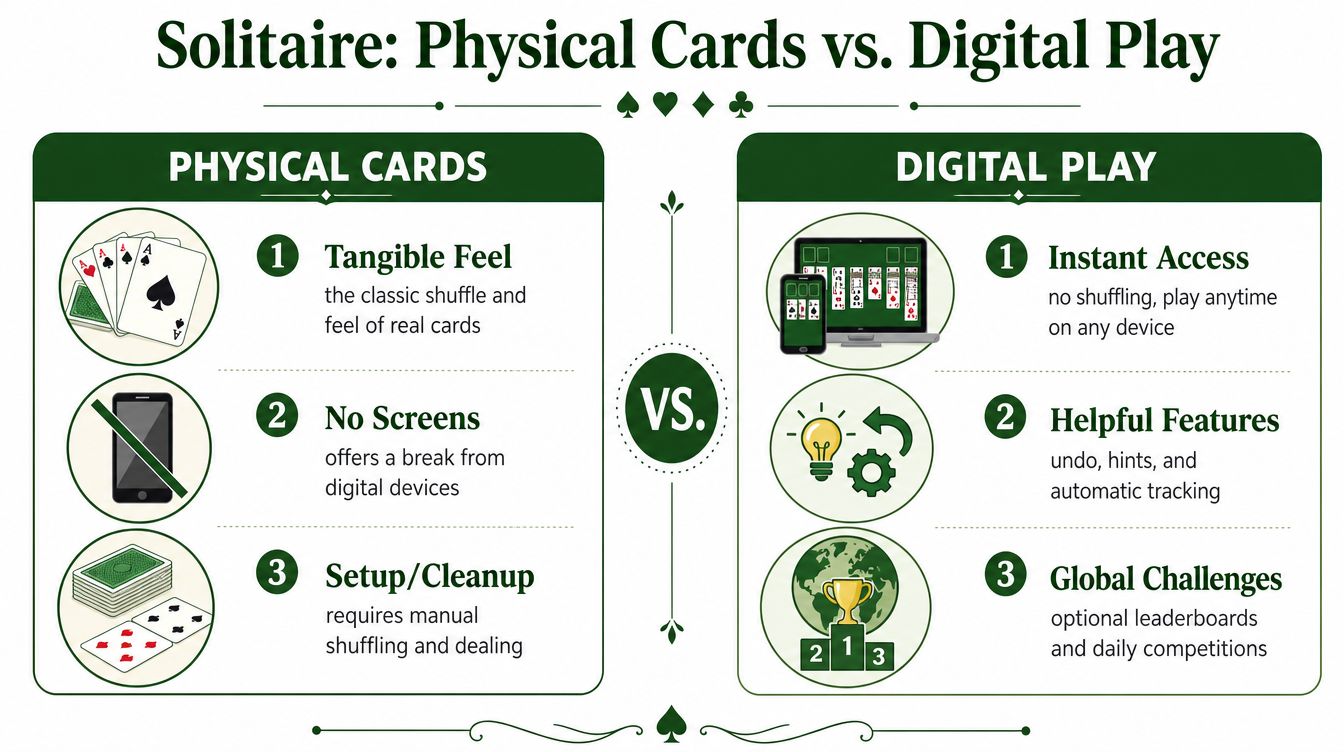
Physical cards provide a tactile break from screens, but digital solitaire removes setup friction. You don't need to shuffle, deal, clear a table, or keep track of rules. Browser-based platforms can also add hints, undo and redo controls, daily challenges, and progress tracking without turning a short game into a major commitment.
For a first session, choose Klondike or Golf and play one deal without worrying about speed. Use hints to understand why a move is available, then use undo to test a different sequence. A short timer can help if you tend to turn relaxing play into an endless session.
Practical rule: Treat the first few games as lessons, not tests. A lost deal can show you which moves created the problem.
Play Solitaire Gaming offers eight browser-based variants, including Klondike, Spider, FreeCell, Pyramid, Yukon, Golf, TriPeaks, and Forty Thieves. It requires no download or signup, and optional Google or Apple sign-in can sync private stats across devices. Its guide to card games you can play alone is useful when you want to move beyond the familiar layout.
2. Reading and Online Book Clubs
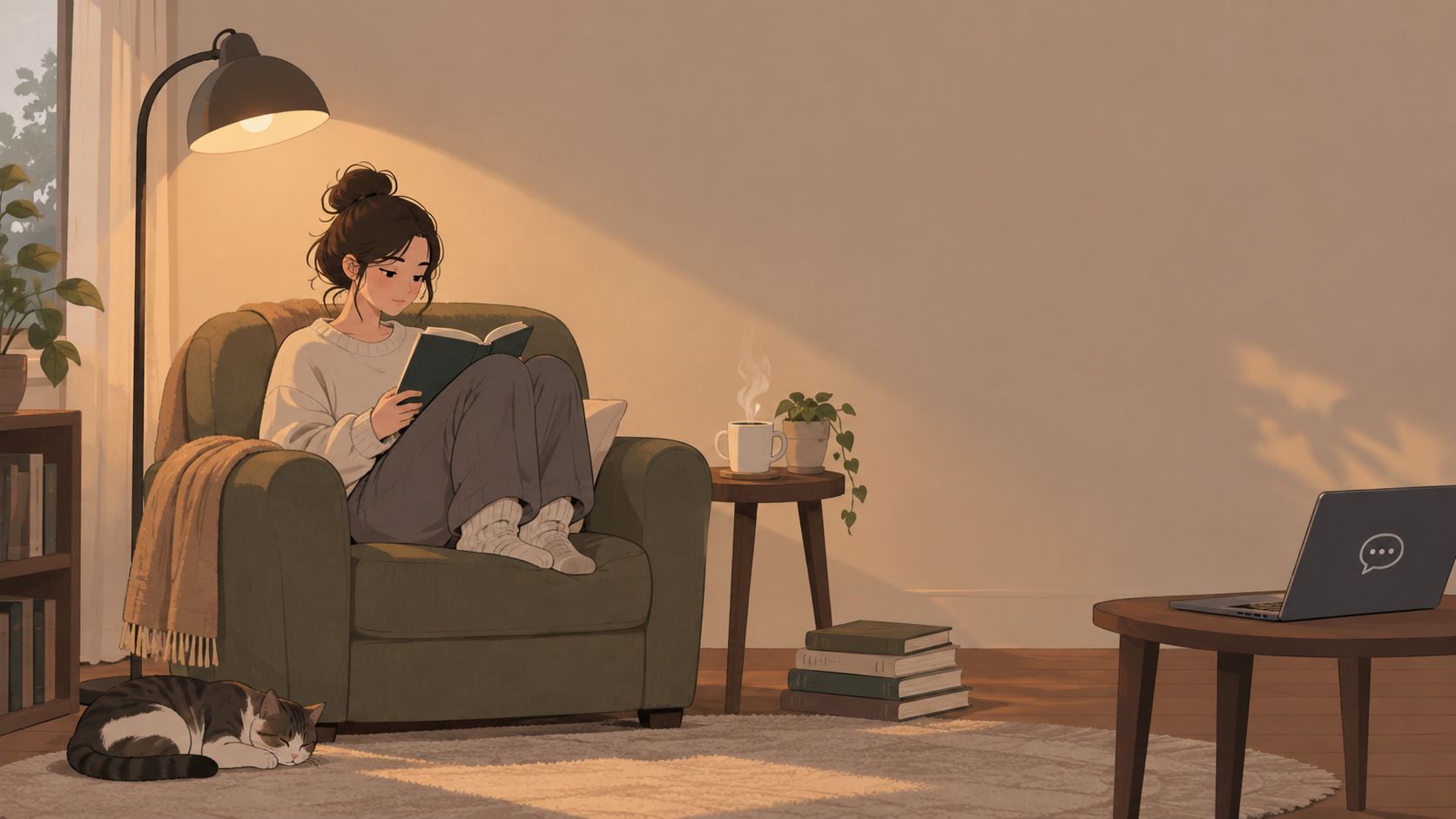
Reading gives you deep engagement without requiring real-time interaction. You can choose the subject, control the pace, and remain absorbed for as long as you want. Fiction can provide emotional immersion, while nonfiction supports focused learning and private curiosity.
The trade-off is that reading can become passive if you only move from one recommendation to the next. A simple note in the margin, a short reflection after a chapter, or a discussion comment can turn consumption into active thinking. You don't have to attend a live meeting to benefit from a book club. Asynchronous forums let you read other opinions when you're ready and leave the conversation when you need quiet.
Start with one genre you already enjoy. Use a library app such as Libby or OverDrive before buying books, and set a modest daily target that you can maintain. Audiobooks are another practical entry point when your eyes are tired or you want to pair reading with a walk or household task.
Make the social layer optional
Online communities work best when they add connection without creating attendance pressure. Goodreads can help you track books and exchange recommendations, while a moderated virtual club can give you a clear discussion prompt. Choose one group, read at your own pace, and comment only when you have something meaningful to add.
3. Writing Through Journaling, Blogging, and Fiction
Writing gives private thoughts somewhere to go. A journal can help you notice recurring worries, record decisions, or preserve ordinary experiences. Fiction and blogging add another dimension, letting you shape ideas for an audience without the interruption and speed of live conversation.
Begin with a blank document or notebook and write for five minutes. Don't edit while you're producing the first draft. You might describe what happened that day, respond to a prompt, outline a character, or explain an idea you wish more people understood. Day One and Penzu can make private journaling convenient, while Medium and Substack support asynchronous publishing when you want readers.
A structured challenge can help if you struggle with consistency. National Novel Writing Month is one example, but you don't need to complete a large project to gain the benefit. A short story, a personal essay, or a weekly series can provide enough structure without making the hobby feel like another job.
Write badly on purpose at first. Editing works better when you have material to revise. A polished opening sentence isn't worth an hour of staring at an empty page.
Writing can also become too inward-looking. If journaling repeatedly reinforces the same anxious loop, change the format. Describe sensory details, write a practical next step, or switch to fiction and let a character carry the emotional weight. The hobby should give you room to process, not trap you inside the same thought.
4. Digital Art and Graphic Design
Digital art suits introverts who want visible progress and control over the creative environment. Illustration, photo manipulation, typography, animation, and layout design all allow you to work alone while developing skills you can later share online or use professionally.
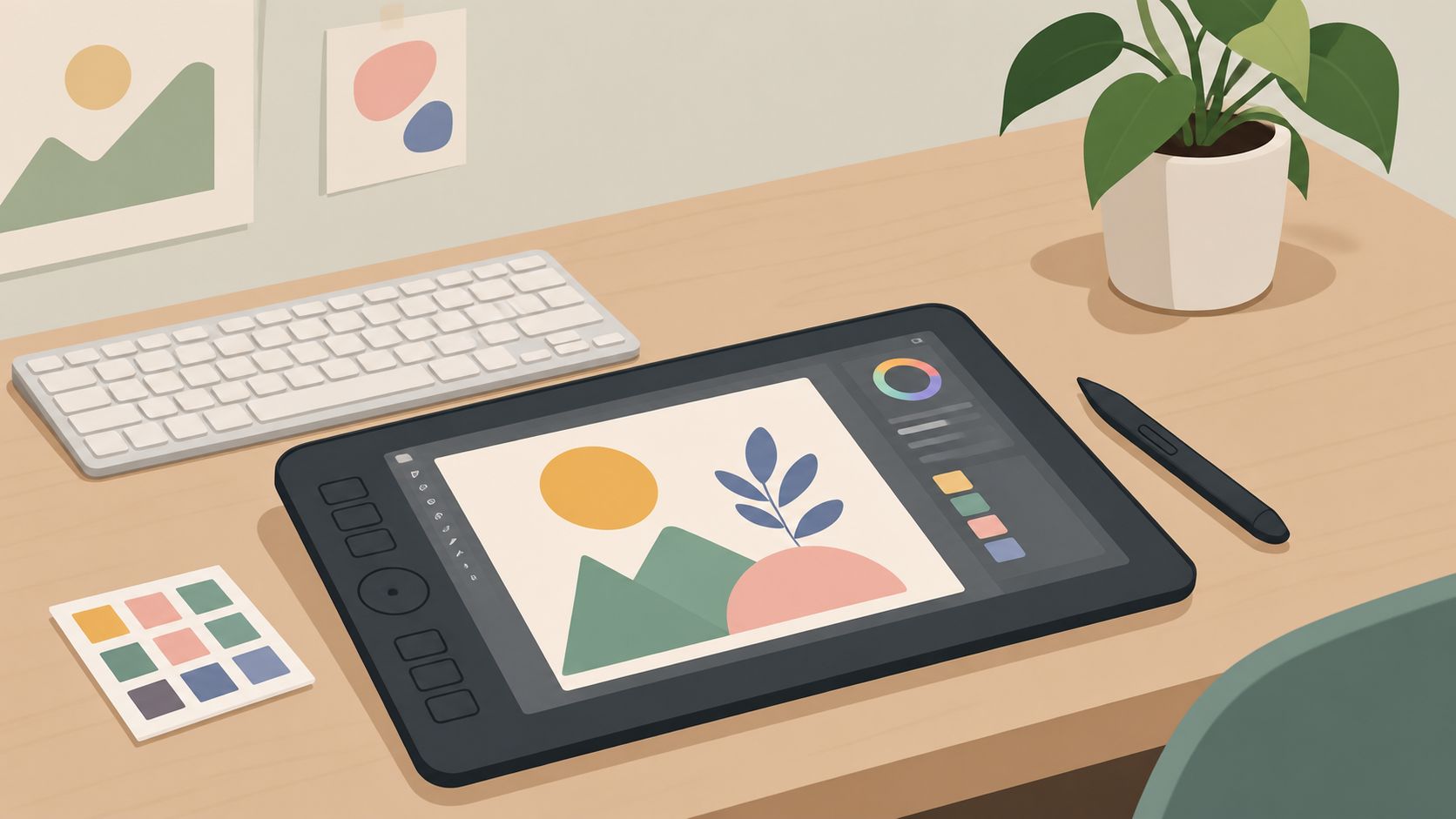
You don't need a premium setup to begin. Canva and GIMP provide accessible starting points, while a basic tablet or even a mouse can support simple exercises. Follow one structured tutorial, recreate a straightforward composition, and save the result. Comparing your work with a reference helps you identify gaps in proportion, color, spacing, or lighting without relying on vague self-criticism.
A daily sketch habit can be useful, but quality matters more than forcing a long session. Try drawing the same object from different angles, designing a simple poster, or rebuilding a familiar app screen. Communities such as r/DigitalArt and DeviantArt can provide feedback when you're ready, but you don't have to post every experiment.
Once you have a small collection, place related pieces in a portfolio on Behance or ArtStation. Freelance platforms such as Fiverr and Upwork can wait until your work is consistent and you understand how to communicate project boundaries.
For a guided visual lesson, this digital art tutorial can provide a more structured starting point than browsing disconnected tips.
5. Photography and Photo Editing
Photography turns a quiet walk into a focused observation exercise. You begin looking for light, texture, repetition, contrast, and moments that would otherwise pass unnoticed. The activity can remain entirely private, or you can share selected images later without needing to perform in real time.
Start with the camera you already carry. Choose one subject for a week, such as window light, local architecture, plants, or reflections. Take several versions of each scene, then compare them later. This teaches composition more effectively than collecting random images without reviewing them.
Build a small visual project
A consistent project gives photography direction. You could document one street, photograph the same plant as it changes, or make a local series focused on doors, signs, or shadows. The project creates a reason to go out while keeping the social demands low.
Learn a few fundamentals first:
- Composition: Try the rule of thirds, leading lines, and deliberate negative space.
- Light: Notice how the same subject changes in direct sun, shade, and low evening light.
- Editing: Use a tool such as Lightroom to crop, adjust exposure, and create a consistent visual style.
- Review: Keep the strongest images and study why they work instead of saving everything.
The main drawback is gear temptation. A new camera won't solve unclear composition, so postpone major purchases until your phone or existing camera limits a specific project. Online communities can offer critique, but choose feedback that explains what to change rather than feedback that only praises or dismisses the image.
6. Learning Languages Online
Language learning rewards steady, private practice. Apps let you repeat vocabulary, listen to pronunciation, and build confidence before you speak with another person. That makes the hobby useful for introverts who want communication skills but dislike being put on the spot.
Choose a language connected to a real interest. Films, music, family history, travel, or a favorite author can provide stronger motivation than selecting a language because it appears practical. Start with a short daily session in Duolingo or Babbel, then add one form of immersion, such as a podcast, a subtitled show, or a beginner YouTube channel.
Apps alone can create the illusion of progress if you never produce language yourself. Write a few sentences, repeat phrases aloud, and keep a small list of expressions you could use in an actual conversation. You don't need to join a language exchange immediately. Tandem and Speaky are options when you're ready for patient interaction, but delaying that step while you build a foundation is reasonable.
Choose consistency over intensity. A small session you repeat is more useful than a long burst followed by a week of avoidance.
Change the activity when motivation falls. Review flashcards one day, listen the next, and write a short paragraph after that. Online communities such as r/languagelearning can provide resources and encouragement without requiring you to speak publicly.
7. Online Puzzle and Brain Game Communities
Puzzles create a clean boundary around attention. A crossword asks you to retrieve language, Sudoku tests pattern recognition, and logic games require you to hold several conditions in mind. You can work alone, take breaks, and return to the same challenge without coordinating with anyone.
Daily games such as Wordle, Spelling Bee, or the New York Times Crossword can provide a predictable ritual. If word puzzles frustrate you, try visual jigsaws, number puzzles, online escape rooms, or strategy games. The right format should feel demanding enough to engage you, but not so difficult that every session becomes a defeat.
Use hints without treating them as cheating. A hint can reveal a technique, clarify a clue, or show you where your reasoning went wrong. Increase difficulty only after you understand the basic format. Time limits are useful when you want a short break, but they can undermine the hobby if you already feel pressured by performance.
Asynchronous communities offer a low-intensity social layer. You can compare approaches in r/crosswords or r/Sudoku, read explanations, and share a result without joining a voice chat. For more ideas when boredom strikes, explore these internet games to play when bored.
8. Meditation, Mindfulness, and Yoga
Mindfulness practices are useful when your problem isn't a lack of entertainment but an overloaded attention span. Meditation, breathwork, and yoga give you something simple to notice, such as breathing, balance, physical sensation, or movement. You can practice at home without navigating a crowded studio or worrying about how quickly other people are progressing.
Start with a guided session lasting five or ten minutes. Headspace and Calm offer structured instruction, while YouTube and Insight Timer provide free ways to experiment before paying for an app. Try more than one approach. A body scan may suit physical tension, breath-focused meditation may help with scattered attention, and gentle yoga may work better when sitting still feels frustrating.
A consistent time matters more than an impressive session. Morning practice can create a quiet transition into the day, while evening practice can help you separate work from rest. Keep the setup simple: a comfortable surface, loose clothing, and enough space to move safely.
Don't measure success by having an empty mind. Thoughts will appear. The practical skill is noticing that you've drifted and returning to the chosen focus without criticizing yourself.
For older adults who can exercise safely, the National Institute on Aging cites guidelines of 150 minutes per week of moderate-intensity aerobic activity or 75 minutes of vigorous activity, plus muscle-strengthening activity on two or more days per week (National Institute on Aging physical activity guidance). Yoga may contribute to movement, but adapt poses and intensity to your abilities.
9. Digital Music Production and DJing
Music production lets you build something from silence, repetition, and texture. You can make beats, arrange melodies, mix tracks, or experiment with sound design without performing for anyone. The process rewards patient listening, and you can share finished work asynchronously when you want feedback.
Begin with GarageBand on a Mac or a free trial of a digital audio workstation. Learn one narrow task first, such as programming a drum pattern or arranging an eight-bar loop. Sample libraries from Splice or Loopmasters can help you explore ideas, but don't let endless browsing replace making music.
Turn experiments into finished tracks
Beginners often collect sounds without completing anything. Set a small constraint, such as using a limited number of tracks or finishing a short loop before starting another project. Try different genres, but save versions so you can hear how your choices develop. You don't need expensive monitors or a large hardware setup to learn arrangement and rhythm.
Communities including r/makinghiphop and r/beatmakers can provide technical feedback without requiring live interaction. SoundCloud offers a place to organize a portfolio, while BeatStars or licensing platforms may become relevant once your work is original, consistent, and ready for public use.
The trade-off is that production can become screen-heavy and detail-obsessed. Take breaks, listen at a reasonable volume, and finish sessions with a short note about what to improve next time. That keeps the hobby creative instead of turning every mix into an endless correction cycle.
10. Home Gardening
Gardening gives introverts a quiet relationship with living things. Watering, pruning, repotting, and observing new growth create small responsibilities with visible results. Indoor plants work in limited space, while containers, balconies, and outdoor beds can turn gardening into a more physical routine.
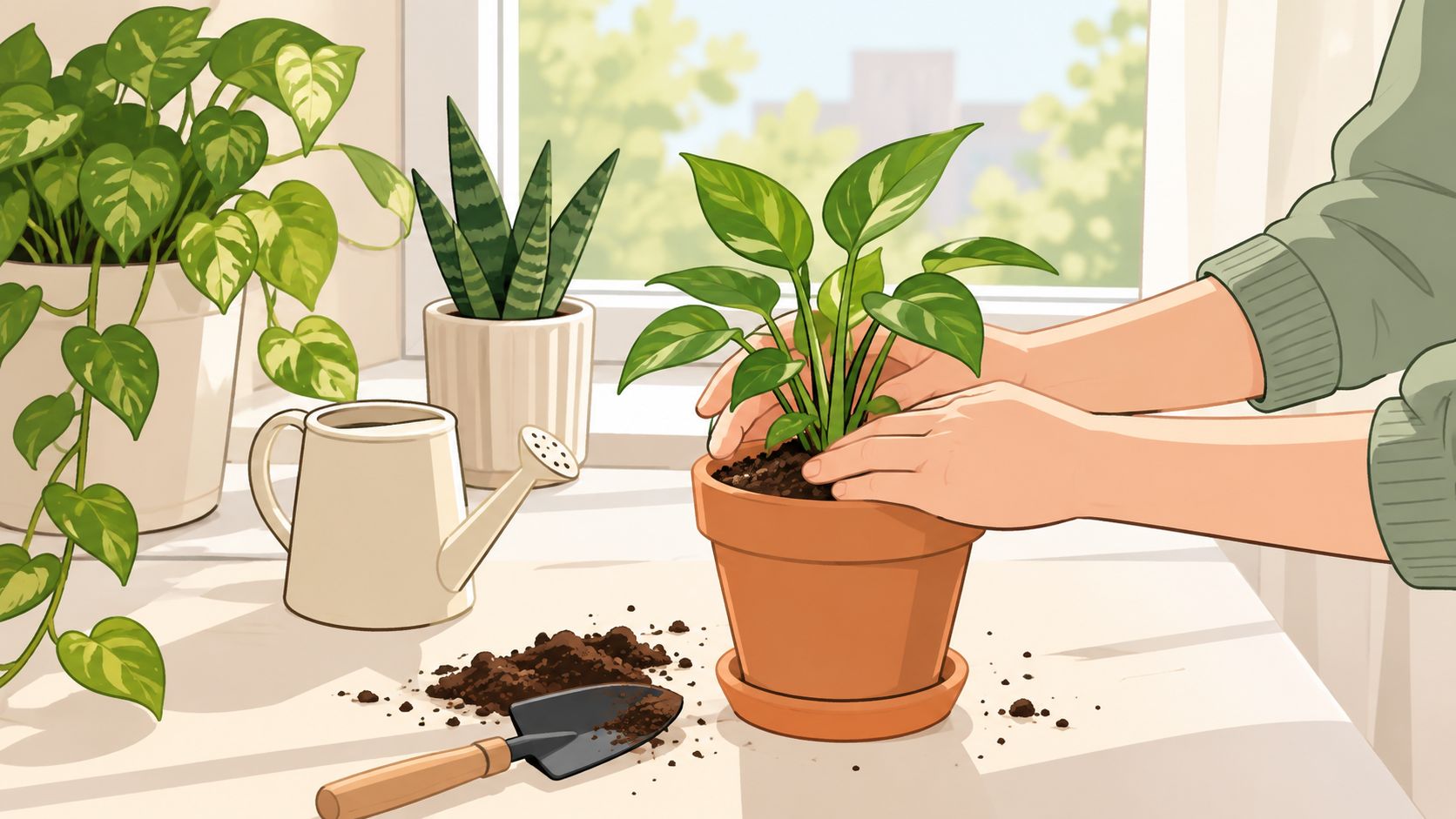
Start with one hardy plant rather than a crowded collection. Pothos, snake plants, and ZZ plants are common beginner choices because they can tolerate some inconsistency. Buy a pot with drainage, use suitable soil, and place the plant according to its light needs. A care calendar prevents the common mistake of relying on memory for watering and fertilizing.
Begin with observation, not shopping. Check the light, temperature, available space, and time you can realistically give the plant before choosing what to grow.
Propagation adds an absorbing project once your first plant is healthy. You can learn how cuttings root, track changes with photographs, and share progress in communities such as r/houseplants or r/gardening. Online advice is helpful, but compare recommendations with the needs of your particular plant and environment.
Gardening isn't effortless. Plants can attract pests, respond badly to overwatering, or fail despite good care. That unpredictability is part of the learning, but it can frustrate anyone seeking guaranteed results. Keep the first project small, record what you do, and treat setbacks as information rather than evidence that you're bad at the hobby.
10 Introvert Hobbies: Side-by-Side Comparison
| Activity | Complexity 🔄 | Resources ⚡ | Expected outcomes 📊⭐ | Ideal use cases | Key advantages 💡 |
|---|---|---|---|---|---|
| Playing Solitaire Card Games | 🔄 Low–Varies (simple to advanced variants) | ⚡ Minimal, physical deck or browser/app | 📊 Improves focus & problem-solving; ⭐⭐⭐ | Short breaks, stress relief, solo play | 💡 Instant access, low barrier, optional tracking |
| Reading and Book Clubs (Online) | 🔄 Low, passive to moderate (discussion) | ⚡ Low, books/apps/laptop | 📊 Deep comprehension, vocabulary, empathy; ⭐⭐⭐⭐ | Long-form learning, low‑pressure socializing | 💡 Flexible timing, community without live pressure |
| Writing (Journaling, Blogging, Fiction) | 🔄 Medium, discipline and practice required | ⚡ Very low, pen/paper or basic tools | 📊 Improved communication, emotional processing; ⭐⭐⭐⭐ | Personal reflection, creative projects, async publishing | 💡 Therapeutic, low-cost, full creative control |
| Digital Art and Graphic Design | 🔄 Medium–High, software & technique learning | ⚡ Moderate, computer/tablet, software | 📊 Portfolio & monetization potential; ⭐⭐⭐⭐ | Creative expression, freelance work, online sharing | 💡 Learnable via tutorials; strong market demand |
| Photography and Photo Editing | 🔄 Medium, technical + creative skills | ⚡ Variable, smartphone to DSLR + editing tools | 📊 Visual storytelling & possible income; ⭐⭐⭐ | Solitary exploration, portfolio building, outdoor work | 💡 Tangible outputs; smartphone entry point |
| Learning Languages Online | 🔄 Low–Medium, steady practice needed | ⚡ Low, apps & media; optional tutors | 📊 Practical communication skills; long‑term gains; ⭐⭐⭐⭐ | Career, travel, self‑improvement, flexible study | 💡 Gamified progress, measurable milestones |
| Online Puzzle and Brain Game Communities | 🔄 Low–Medium, scalable difficulty | ⚡ Low, apps/web platforms | 📊 Cognitive benefits, routine habit; ⭐⭐⭐ | Daily mental exercise, calming solo challenge | 💡 Wide variety, measurable progress, optional competition |
| Meditation, Mindfulness, and Yoga | 🔄 Low, initial habit formation | ⚡ Very low, apps/videos, mat optional | 📊 Stress reduction, better focus/sleep; ⭐⭐⭐⭐ | Mental health, daily habit, stress management | 💡 Science‑backed benefits, private & flexible practice |
| Music Production and DJing (Digital) | 🔄 High, steep learning curve (DAWs/theory) | ⚡ Moderate–High, DAW, hardware, samples | 📊 Creative output & potential income; ⭐⭐⭐ | Composition, remote collaboration, releasing tracks | 💡 High creative control; global distribution channels |
| Home Gardening (Indoor and Outdoor) | 🔄 Low–Medium, seasonal learning curve | ⚡ Low–Moderate, plants, soil, tools | 📊 Tangible growth, therapeutic benefits; ⭐⭐⭐⭐ | Nature connection, food production, mindfulness | 💡 Progressive results, sustainable and hands‑on |
Get Started on Your Introvert-Friendly Journey
You don't need to adopt a new identity or fill every quiet hour with self-improvement. A hobby works when it gives your attention somewhere satisfying to go, whether that means arranging cards, following a story, shaping an image, learning a phrase, or caring for a plant. The right choice depends on the kind of recovery you need today.
Choose passive recovery when your mind is tired. Reading, listening to music, watching a film, or playing a short browser game can provide gentle stimulation without much setup. Choose hands-on focus when you feel restless. Writing, digital art, photography, gardening, and music production turn vague energy into a concrete task. Choose structured challenge when you want your attention to sharpen. Solitaire, puzzles, and language practice give you rules and progress markers. Choose quiet movement when sitting alone has started to feel stagnant. Walking, yoga, and home exercise can change your surroundings without creating a social obligation.
The main mistake is choosing a hobby based on how impressive it sounds rather than how easy it is to begin. A complicated setup creates friction, and friction makes an activity feel like another responsibility. Start with the tools already available, define a session small enough to finish, and stop while the hobby still feels appealing.
Your first session might be one solitaire deal, a few pages, a short journal entry, a single sketch, or one plant-care task. You can expand later if the activity gives you energy instead of taking it. If a hobby repeatedly leaves you tense, distracted, or obligated, adjust the format before abandoning the underlying interest. Try private work instead of public sharing, asynchronous discussion instead of live meetings, or a shorter session instead of a demanding routine.
Solitude can also change from restorative to isolating. Research summarized in a 2020 study found that people felt less stressed and more autonomous on days when they spent more time alone, with benefits accumulating across the study period (summary of the solitude research). That supports solo time, but it doesn't mean every difficult feeling should be handled by withdrawing further. If you feel lonely, an online book discussion, a thoughtful comment, or a message to one trusted person can add connection without overwhelming you.
There is no single introvert hobby. A 2025 study identified distinct leisure clusters, including audio-visual digital introverts, and found that listening to music or podcasts, watching movies or television, and using social media ranked among the most common activities overall (2025 leisure-cluster study). Your preference may change with your energy, schedule, and mood.
Pick one option today. Gather only the basic gear, set a small time allowance, and make the first session easy to complete. Progress comes from returning, not from making the perfect choice at the start.
Play Solitaire Gaming offers free, browser-based access to eight single-player card games, with no download, signup, or ads required. Its hints, unlimited undo and redo, daily challenges, and optional cloud-synced stats make it a practical fit for short, focused solo sessions. Visit Play Solitaire Gaming to choose a variant and start playing.
Ready to play?